
Angela Rollinson, SEND parent and estate planning consultant in North Yorkshire, explains what happens to your estate under the intestacy rules if you die without a Will — and why SEND families in particular need to plan carefully to protect their children's futures.
For many SEND parents, making a Will is not really about money. It is about a much bigger question:
"What would happen to my child if I were no longer here to organise, support and advocate for them?"
It is an uncomfortable question, so it is completely understandable that making a Will can keep slipping to the bottom of an already demanding list.
But understanding what happens without a Will can make the first step feel clearer, rather than more frightening.
The Law Decides Who Inherits
If you die without a valid Will, you are said to have died intestate. In England and Wales, your estate is then distributed under the rules of intestacy.
These rules decide which relatives inherit and in what order. They do not take account of the different needs of your children, the people you are closest to or who you would personally trust to carry out your wishes.
The outcome will depend on your family circumstances, including whether you are married or in a civil partnership, whether you have children and how your assets are owned.
Even where someone is married or in a civil partnership, their spouse or civil partner may not necessarily inherit the whole estate if there are also children.
An unmarried partner does not automatically inherit under the intestacy rules, regardless of how long you have lived together. Stepchildren who have not been legally adopted do not inherit as children under those rules either.
This can leave families facing an outcome that looks very different from what they expected.
Equal Does Not Always Mean Appropriate
The intestacy rules are designed to provide a standard legal outcome. They are not designed around the individual circumstances of a SEND family.
If children inherit under the intestacy rules, they will generally receive equal shares. Where a child is under 18, their inheritance will usually be held until they reach 18.
That may not reflect how you would have chosen to provide for children with different needs.
Planning differently does not mean loving your children differently.
One child may be able to receive and manage an inheritance directly. Another may need, or benefit from, a different arrangement depending on their circumstances, wishes, capacity and any means-tested support they receive.
Without a Will, you lose the opportunity to build those individual considerations into your plan.
What Could This Mean for a Disabled or Vulnerable Beneficiary?
A direct inheritance may raise questions about:
- whether means-tested benefits could be affected;
- how the money will be managed;
- whether the beneficiary wants or needs support with financial decisions;
- protection from financial pressure or exploitation; and
- how the inheritance could support their quality of life over time.
This does not mean that every disabled person needs a trust, or that disability automatically means someone cannot manage money. Capacity must never be assumed from a diagnosis.
It simply means that the person, their circumstances and the purpose of the inheritance should be carefully considered before deciding how assets should pass.
Who Would Deal With Your Estate?
A Will allows you to choose your executors — the people responsible for dealing with your estate, paying any debts and passing assets to the beneficiaries.
Without a Will, the law decides who is entitled to apply to administer the estate.
That person may be a close family member, but they may not be the person you would have chosen for the role. For an unmarried partner, there may be no automatic right to deal with the estate at all.
For many families, choosing the right person is just as important as deciding who inherits.
A Will Gives You Choices
A properly prepared Will allows you to make deliberate decisions rather than leaving the statutory rules to decide. Depending on your circumstances, it may allow you to:
- decide who should inherit;
- choose executors to administer your estate;
- appoint appropriate guardians for children under 18, subject to the legal rules on parental responsibility;
- consider whether a trust may be suitable;
- choose the people who would act as trustees; and
- record guidance explaining your wishes and priorities.
For SEND families, choosing the people can be just as important as choosing the documents.
An executor, trustee and guardian each perform a different role, and the right people will depend on your family, your child's needs and the responsibilities involved.
It is also important to remember that not everything necessarily passes under a Will. Jointly owned assets, pensions, life insurance, death-in-service benefits and nominations may be governed by separate ownership arrangements or policy rules. These should be reviewed as part of the wider plan.
A Will is important, but it is only one part of the protection plan.
You Do Not Need to Solve Everything Today
Making a Will can feel like an enormous task. You may not yet know who should act as a trustee, who would be the right guardian or what support your child may need in the future.
You do not need every answer before you begin. A manageable first step is to write down three things:
- The people you would want involved.
- The person or people you want your planning to protect.
- The question about the future that worries you most.
You can then use those answers to begin a more informed conversation about your Will and wider planning.
Having a Will cannot predict every future change. What it can do is give your family a clearer starting point, record your choices and reduce the number of important decisions left entirely to legal rules — or to people trying to work out what you would have wanted.
This article provides general educational information for England and Wales and is not personalised legal, tax or benefits advice. Intestacy, inheritance, guardianship, capacity, benefits and trust arrangements depend on individual circumstances and current rules.
Ready to Take the First Step?
Angela Rollinson is a SEND parent and estate planning consultant serving families across North Yorkshire. Get in touch for a free, no-obligation conversation — no jargon, no pressure.
Learn More About Angela Book a Free ConsultationAbout the Author
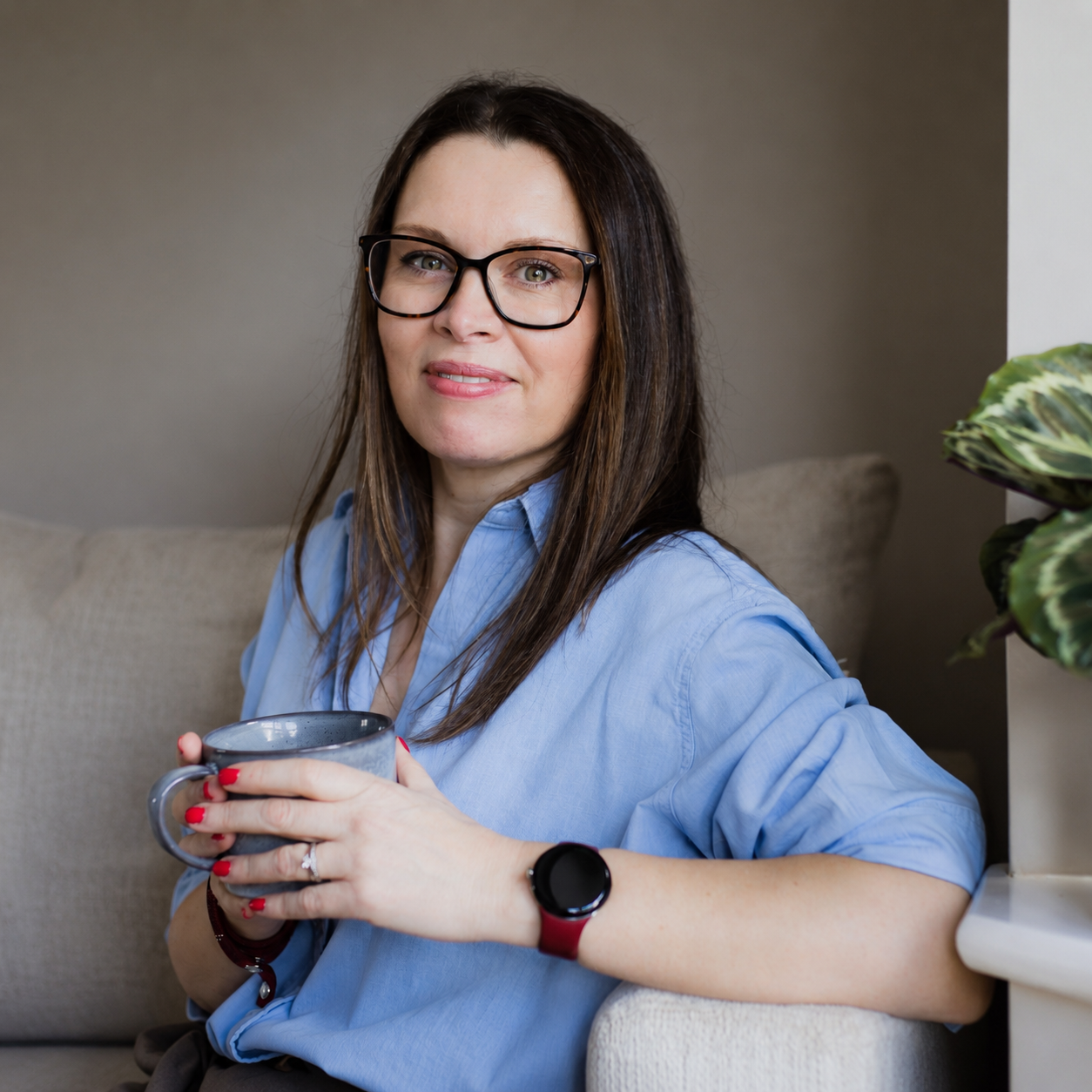
Angela
Angela is the BFW Estate Planning Consultant for North Yorkshire, covering York, Harrogate, Wetherby and Leeds. She has a particular specialism in estate planning for families with children with special educational needs.