
Angela Rollinson explains the role of Wills, LPAs, Letters of Wishes and trusts in SEND estate planning for North Yorkshire families.
When you are a SEND parent, so much important information can live in your head.
You know what helps your child feel safe, how they communicate, who they trust and what support helps everyday life work. You may also be the person managing appointments, forms, money and all the decisions nobody else really sees.
So when somebody starts talking about Wills, Lasting Powers of Attorney, Letters of Wishes and trusts, future planning can quickly feel like another enormous job.
You might be wondering: do I need a Will, an LPA, a Letter of Wishes, a trust, or all of them?
The simple answer is that they do different jobs.
Not every SEND family will need the same arrangements, and you do not have to decide everything at once.
A good starting point is simply understanding what each one is there to do.
A Will: What should happen after you die?
A Will sets out what you want to happen to your estate after your death.
It can name the people you want to deal with your estate, known as your executors, say who you want to inherit and, if you have children under 18, who you would want to appoint as guardians.
For SEND families, making or reviewing a Will can raise some additional questions.
- Would leaving an inheritance directly to your child be appropriate for them?
- Who would be best suited to manage money or take on responsibility?
- Could an inheritance create practical or financial issues that need more thought?
- Would some form of trust be worth considering?
There is no single answer that is right for every disabled person or every SEND family.
The important thing is to think about the person receiving the inheritance and what you want that inheritance to make possible for them, rather than simply deciding who receives what.
A Will can be an important part of your plan, but it only deals with what happens after your death.
Which leads to a very different question.
A Lasting Power of Attorney: Who could act for you during your lifetime?
What would happen if you were still here but became seriously ill, had an accident or could no longer manage your own affairs?
A Lasting Power of Attorney, usually called an LPA, allows you to choose people you trust to make certain decisions for you.
There are two types:
- Property and Financial Affairs, covering things such as money, bills, bank accounts and property.
- Health and Welfare, covering decisions such as care, medical treatment and where you live. A Health and Welfare LPA can only be used when you cannot make the relevant decision yourself.
For a SEND parent, I think the practical question is: if I suddenly could not manage everything, who could keep my own affairs moving so there was as little disruption as possible around my family?
An important point is that your LPA relates to your affairs.
It does not automatically give somebody authority to make decisions for your child, and an LPA ends when the person who made it dies.
A Letter of Wishes: How would people know the things that matter?
This is perhaps the easiest document to understand when you stop thinking about legal paperwork and start thinking about everyday family life.
Because how much information about your child currently exists only in your head?
How do they show that something is wrong? What helps them feel safe? What routines matter? Who are the important people in their life? What are their interests, sensory needs and sources of comfort? What would somebody need to understand on an ordinary difficult day? And what are your hopes for their future?
A Letter of Wishes can help you record some of this information.
It can also sit alongside a Will or trust and help explain your thinking or provide guidance to the people who may one day be supporting your child or managing an inheritance.
A Letter of Wishes is not legally binding and does not itself give somebody legal authority.
Its value is different.
It can help people understand the person, not simply the information written about their needs on official paperwork.
Wherever possible, it should also reflect your child's own wishes, preferences and voice.
Unlike something you write once and forget about, it can be reviewed and updated as your child and your family's circumstances change.
What about a trust?
A trust is also something SEND families may hear about when discussing future planning.
A trust is a legal arrangement for managing assets such as money or property for beneficiaries. There are different types of trust, and some trusts for disabled people can have particular tax treatment.
For some families, a trust may form part of the Will. In other circumstances, a trust might be created during someone's lifetime.
But a trust is not automatically needed simply because somebody has a disability.
Whether one is appropriate, what type might be considered and the implications for things such as tax, benefits and managing the money will depend on the individual circumstances.
This is an area where getting the right advice matters.
Start with the job, not the document
This is the part I would really like SEND parents to take away.
You do not need to start by choosing a package of documents.
Start by asking: what would I want somebody else to be able to do or understand if I could not manage everything myself?
That is where my People, Plan, Protection and Peace of Mind approach can help.
- People: who would step in and who do you trust?
- Plan: what would they need to know?
- Protection: what legal or practical arrangements may need putting in place?
- Peace of Mind: what would help you feel more confident that the people you love would be supported?
The answer might point you towards reviewing your Will, putting LPAs in place, writing down practical guidance, taking advice about a trust, or a combination of these.
You do not need to put the whole plan in place at once.
Your next step: write down the one gap that would worry you most if somebody had to step in tomorrow.
That may be the best place to start.
If you are not sure where the gaps might be, my SEND Family Protection Checklist takes you through People, Plan, Protection and Peace of Mind and can help you see what is already in place and what may need considering next.
Request the free SEND Family Protection Checklist
This article provides general information for families in England and Wales. It is not personalised legal, financial, tax, benefits or care-funding advice. The documents and arrangements that may be appropriate will depend on individual circumstances, capacity and the rules at the time.
Start Your SEND Family Future Plan
Angela Rollinson supports SEND families across North Yorkshire with thoughtful, practical estate-planning guidance. Start with a free, no-obligation conversation.
Learn More About Angela Book a Free ConsultationAbout the Author
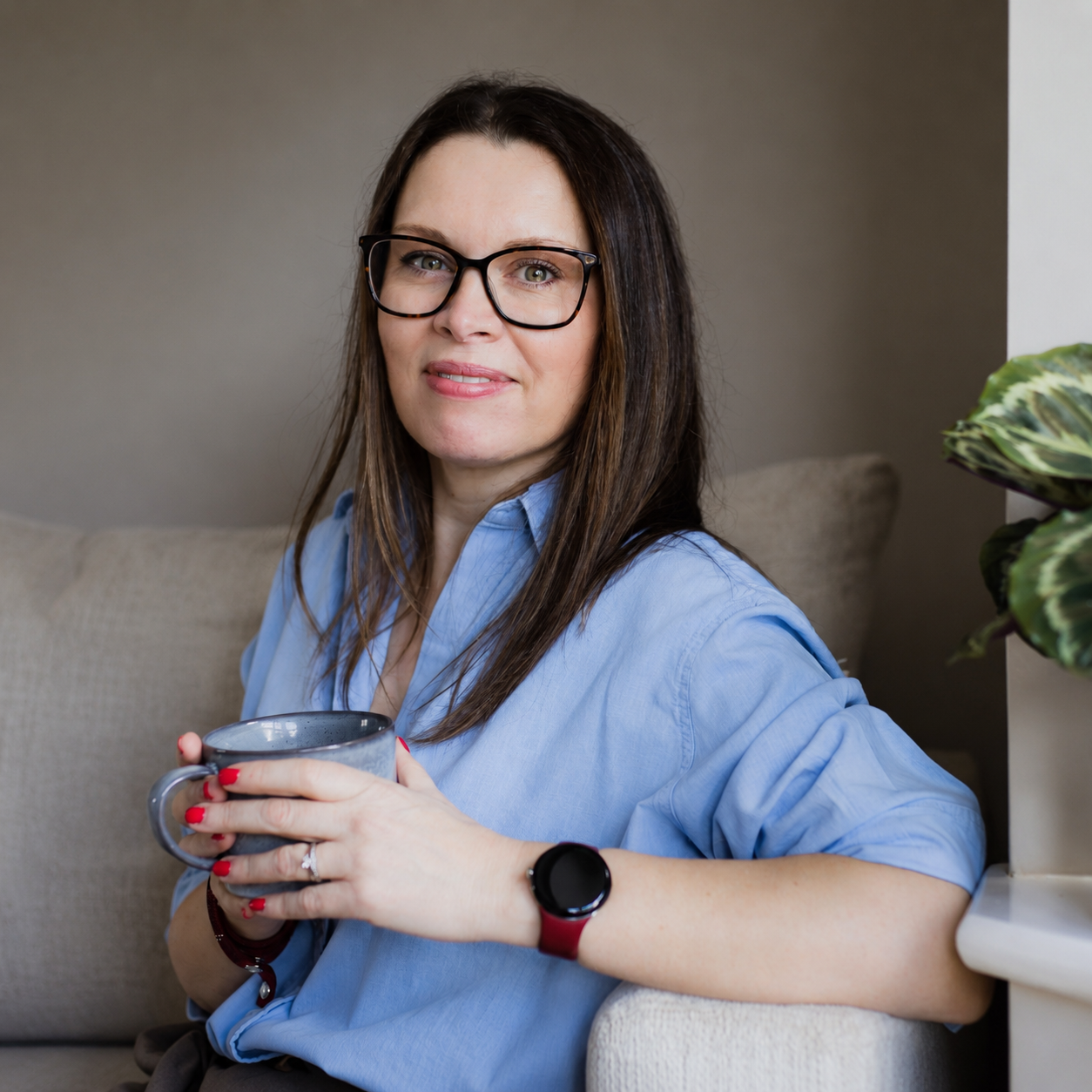
Angela
Angela is the BFW Estate Planning Consultant for North Yorkshire, covering York, Harrogate, Wetherby and Leeds. She has a particular specialism in estate planning for families with children with special educational needs.