
Angela Rollinson explains why SEND future planning for North Yorkshire families should begin with the people, priorities and everyday life a plan needs to support.
When families first get in touch about future planning, the conversation usually starts with a document.
“I think we need to update our Wills.”
“Someone told us we might need a trust.”
“We need to sort out guardians.”
All of those can matter. But I do not think a document is the best place to start.
Before we talk about which documents you might need, I want to understand your family. I have learned this as an estate planner and as a SEND mum. The paperwork only works when it fits the life it is there to support.
Start with the family
Every family is shaped differently. Some parents are together and some are separated. There may be brothers and sisters to think about, grandparents who are part of everyday life, or friends, carers and professionals who already know your child well. In the background there may be a home, savings, pensions, life insurance, benefits or a care package.
At the centre of it all is your child: their personality, their relationships, what they enjoy, what they find hard and what they want from their own life.
All of that connects, and a change in one part of the picture can affect another. So rather than opening with “Which trust do we need?”, I would much rather start with:
“Tell me about your family.”
The questions worth asking first
These are the questions I find most useful at the beginning:
- Who is in your family, and who supports whom?
- What does an ordinary week look like right now?
- Who already knows your child well?
- What matters to your child now, and what would a good future look like for them?
- What worries you most?
None of these needs a legal answer.
But the answers shape everything that comes afterwards. They help us understand whether a trust might be relevant, who might be suitable for a formal role, and what needs writing down.
Why a document on its own is not enough
A Will does an important job. It sets out who inherits and who deals with your estate. If your children are under 18, it can also set out who you would want to appoint as their guardian.
But there is a great deal about your child that a Will was never designed to carry.
That includes what helps them feel safe, how they show you something is wrong, and who they trust. It includes the routines that make a day work, and the things you have tried that did not.
Much of that sits with one or two people and never makes it into a professional report.
That knowledge is part of the future plan too.
It deserves its own space, so I will come back to it in my next post.
For me, future planning is about more than preparing for what happens when a parent dies. It is about creating enough continuity around a family that the important things do not depend entirely on one person.
A simple way to see the whole picture
When I work with a family, I come back to four areas. I call them the 4Ps.
People. Who is already around your family, and who might be part of the future? Different people can take on different responsibilities, so nobody has to do everything.
Plan. What needs to be understood and shared? That includes your child's needs, preferences and wishes, and how the wider family fits together.
Protection. Once the family picture is clear, we can look at which legal arrangements may help. Depending on your circumstances, that might include Wills, trusts, guardianship provisions or Lasting Powers of Attorney. The documents matter, but they should be built around the plan.
Peace of Mind. Nobody can predict exactly what family life will look like in ten or twenty years. People change, and so do circumstances and needs. For me, peace of mind means knowing you have made a start.
The aim is not to have everything “permanently sorted”.
It is to have something in place that can change as your family does.
Your first step
You do not need to decide anything about Wills or trusts today.
Pick one of the four areas and answer one question about it.
People: Who already knows my child really well?
Plan: What would be hardest for someone else to pick up?
Protection: Do we have up-to-date Wills, and do they still reflect our family?
Peace of Mind: Which part of the future would I most like to feel clearer about?
Just one.
That answer is usually the right place to begin.
This blog is general information for families in England and Wales. It is not personalised legal advice, and the right approach will always depend on your family's circumstances.
Start With Your Family’s Story
Angela Rollinson supports SEND families across North Yorkshire with clear, compassionate estate-planning guidance shaped around the people and priorities that matter most. Start with a free, no-obligation conversation.
Learn More About Angela Book a Free ConsultationAbout the Author
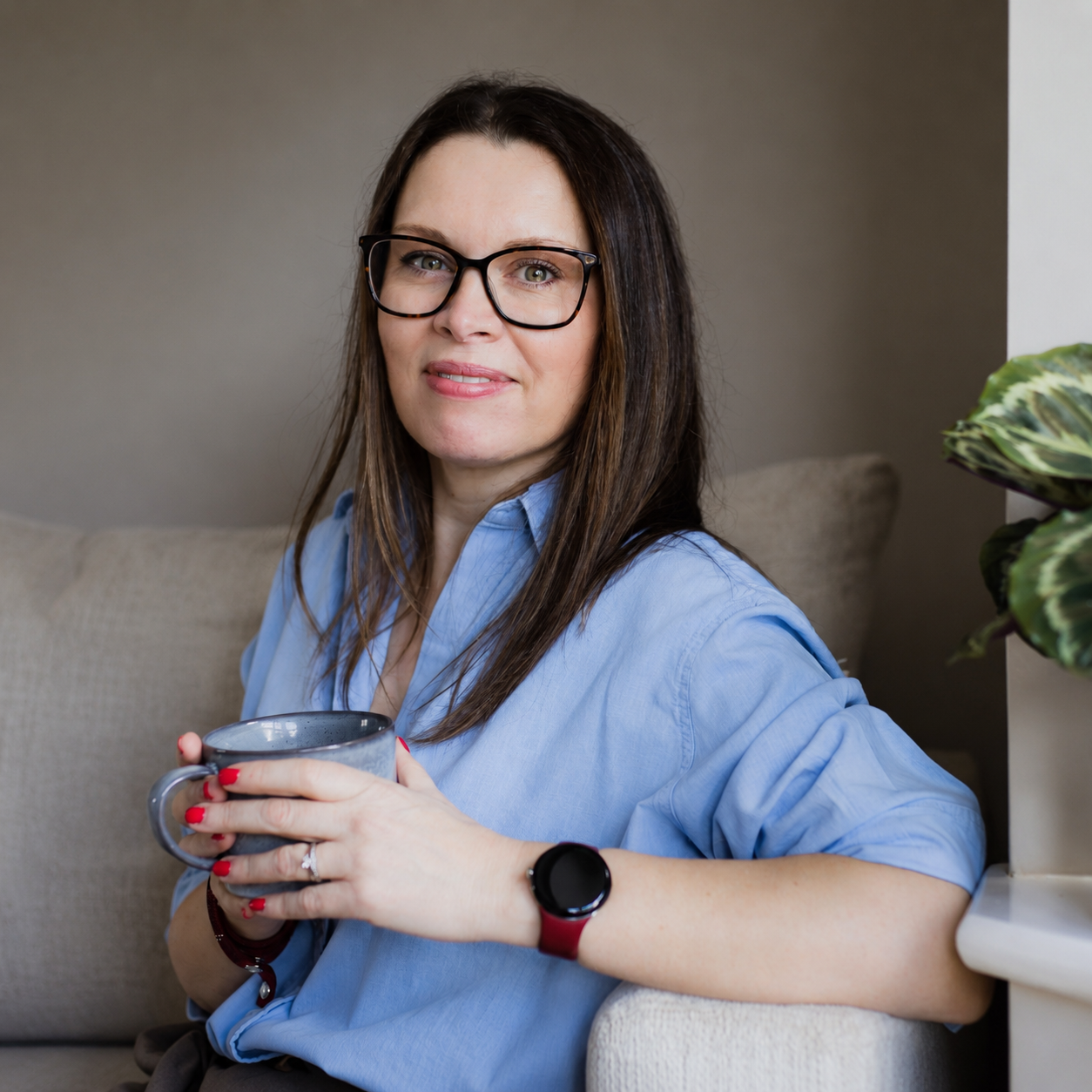
Angela
Angela is the BFW Estate Planning Consultant for North Yorkshire, covering York, Harrogate, Wetherby and Leeds. She has a particular specialism in estate planning for families with children with special educational needs.